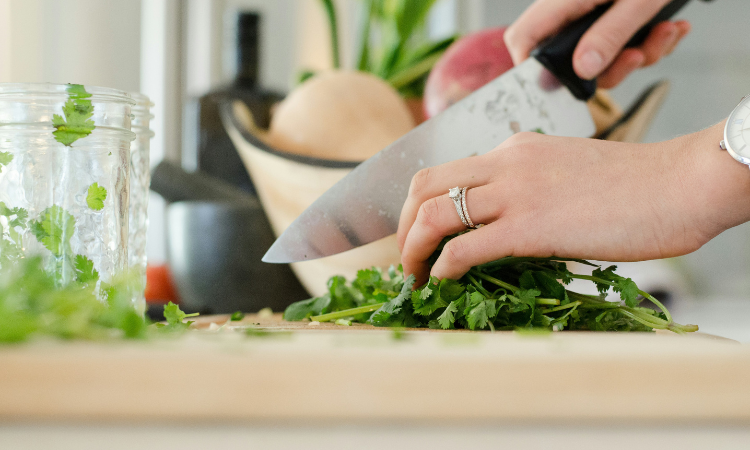
- rich in antioxidants,
- omega-3 fatty acids,
- vitamin-rich vegetables,
- unprocessed foods,
may reduce the severity of inflammatory processes and improve symptoms.
This does not mean that diet alone cures endometriosis — rather, it supports the body so that inflammation does not remain such a dominant factor.
Why is gut health (the microbiome) important?
Research suggests that the condition of the gut flora (gut microbiome) is closely linked to endometriosis on several levels:
- it influences the breakdown and reabsorption of oestrogen, which may contribute to the development of a more “oestrogen-rich” environment.
- it affects the immune response and inflammation, which play a central role in endometriosis.
- an imbalance in the gut flora (dysbiosis) has been associated with worsening symptoms and increased inflammation.
This means that the immune system, oestrogen metabolism, and gut flora work together as an interconnected system in the development and progression of the condition.
What does this mean in terms of diet?
An anti-inflammatory diet is not a static approach, but a dynamic way of thinking:
Basic principles:
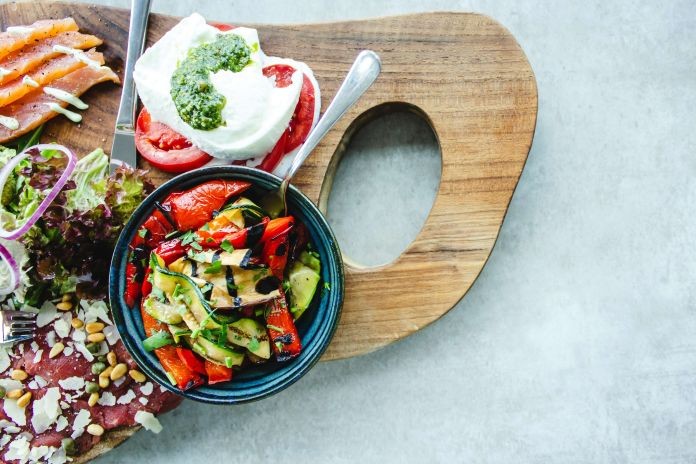
- plenty of green and colourful vegetables
- foods rich in omega-3 fatty acids (e.g. salmon, flaxseed, walnuts)
- fruits rich in antioxidants, vitamins, and polyphenols
- minimal processed foods and refined sugar
- appropriate prebiotics and probiotics to support the gut flora
These are not “rules,” but guidelines that are adapted to your individual physiological signals.
Herbs and phytonutrients that may help
- Turmeric (curcumin): Several studies have shown that curcumin, the active compound in turmeric, may have an anti-inflammatory effect on cells affected by endometriosis.
- DIM and cruciferous vegetables: The indole-3-carbinol found in broccoli, cauliflower, and cabbage is converted into DIM, which supports the favourable breakdown of oestrogen and may contribute to hormonal balance.
Summary — not a set of rules, but a conscious direction
In the case of endometriosis, healing does not come from a standardised diet, but from a conscious, personalised lifestyle approach that:
- reduces the inflammation underlying pain and symptoms,
- supports hormonal and immune processes, with particular attention to oestrogen-dependent mechanisms,
- takes gut balance and individual sensitivities into account, as the state of the microbiome directly affects the reabsorption of hormones and the immune response,
- supports liver function, as the liver plays a key role in the breakdown and neutralisation of oestrogen.
The liver is responsible for the biotransformation of oestrogen: it converts hormones into forms that the body can eliminate through the digestive system. If this process becomes overloaded or inefficient — for example, due to chronic inflammation, nutrient deficiencies, gut imbalances, or increased toxin exposure — oestrogen may more easily return to the bloodstream, further increasing oestrogen dominance and inflammation.
Therefore, lifestyle change is not only about relieving symptoms, but also about reducing the burden on and supporting the liver, which is one of the most important regulators of the hormonal background of endometriosis.
If you feel that you already have the information but need guidance and support to put it into practice, feel free to contact me or join the Holistic Retreat programmes.
A holistic approach does not replace medical care; in the case of severe symptoms, it is always necessary to consult a medical specialist.
Scientific background — important references
The following publications support the connection between inflammation, diet, the microbiome, and endometriosis:
- Martire et al., Endometriosis and Nutrition: Therapeutic Perspectives – the effects of dietary patterns on the inflammatory environment and symptoms.
- Arab et al., Food groups and nutrients consumption and risk of endometriosis – the relationship between diet and hormonal metabolism.
- R. Qin et al., The gut microbiota and endometriosis – the effects of the microbiome on oestrogen and inflammation.
- Moustakli et al., The gut–endometriosis axis – the relationship between the gut microbiome and hormonal and immune processes.
- Szczepanik et al., The Importance of Diet in Endometriosis – the effects of dietary patterns (Mediterranean, anti-inflammatory).